


Bust Models
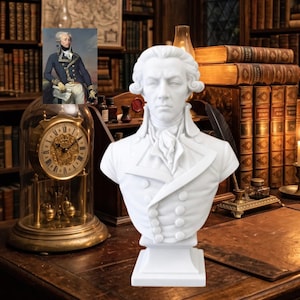
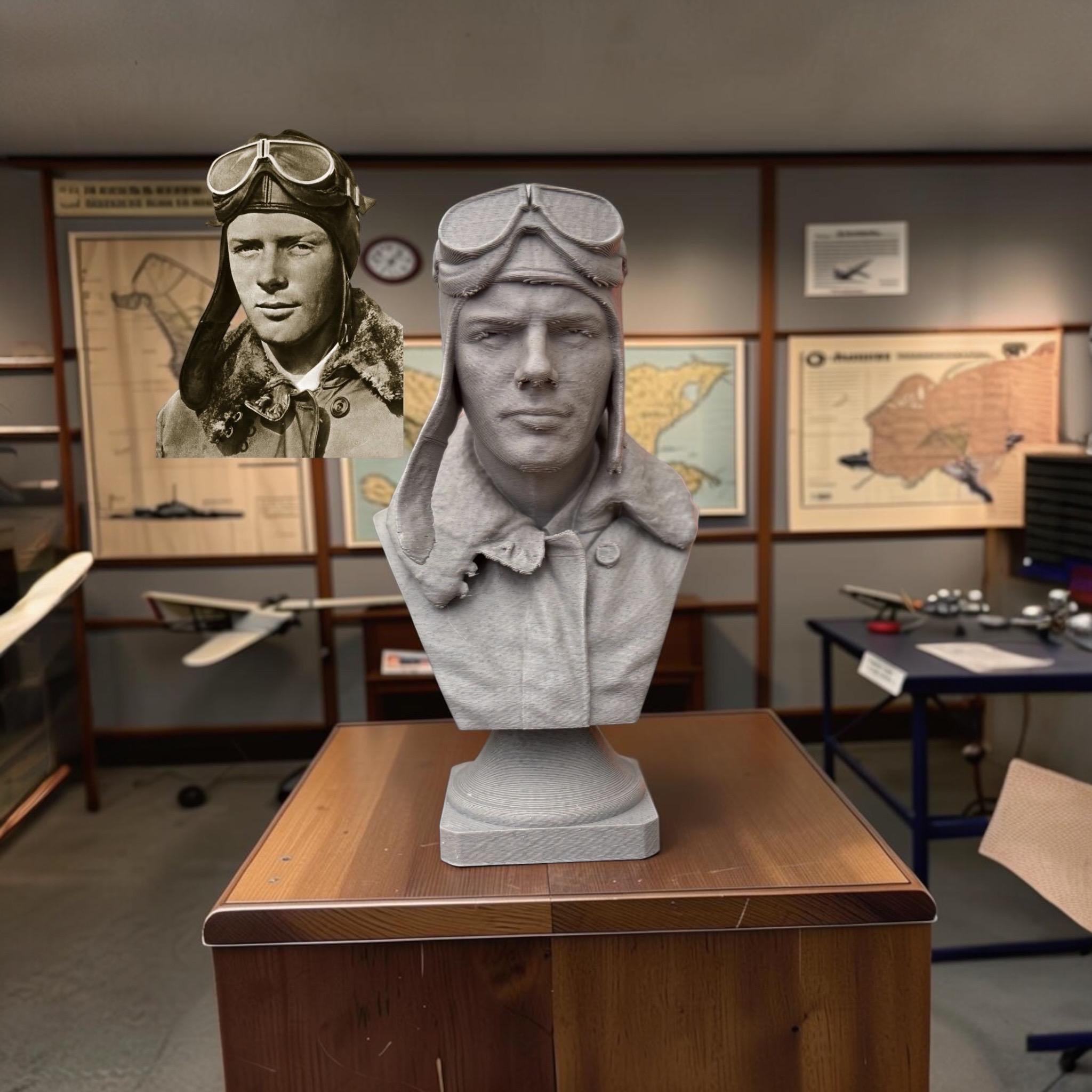
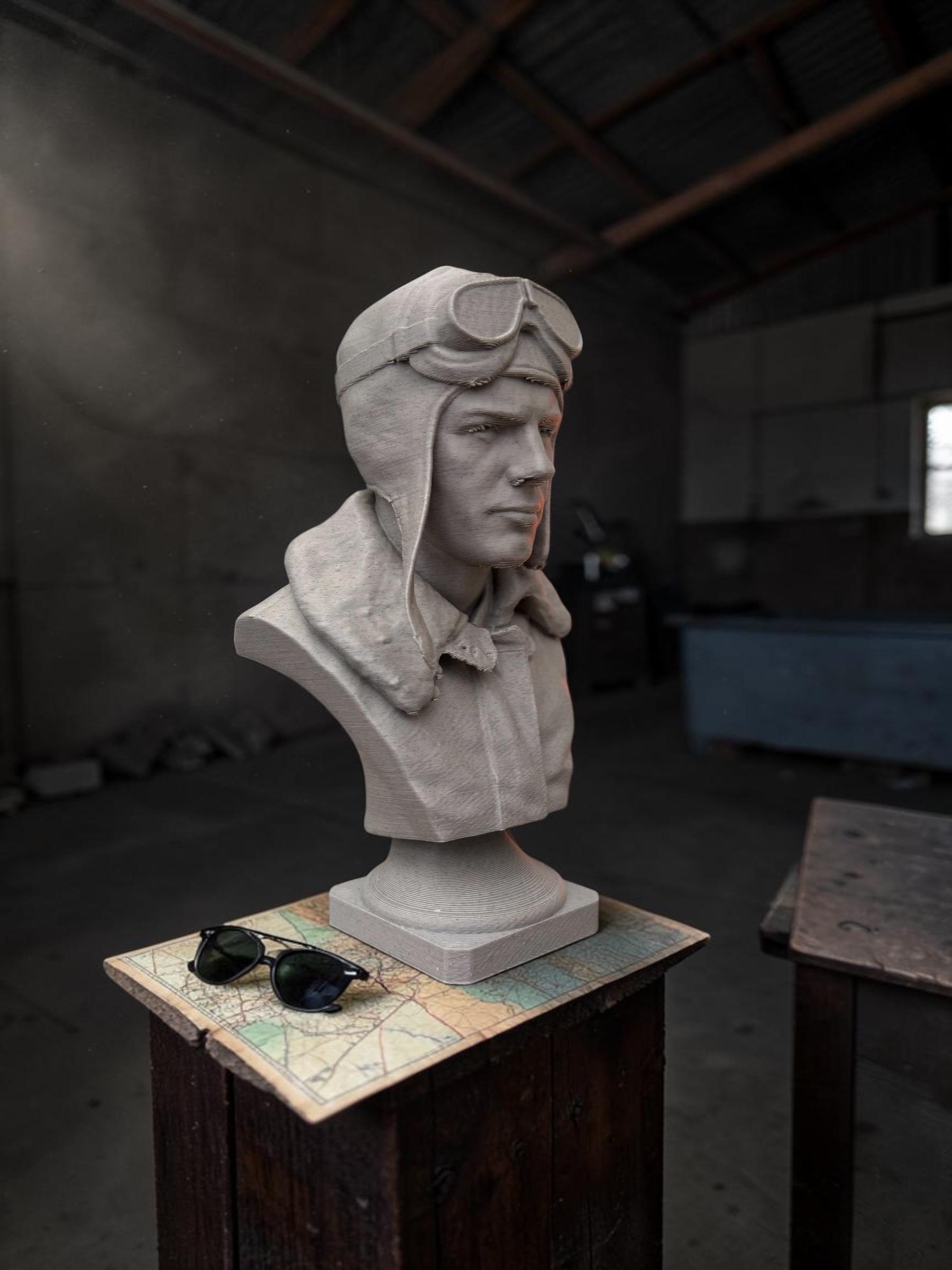
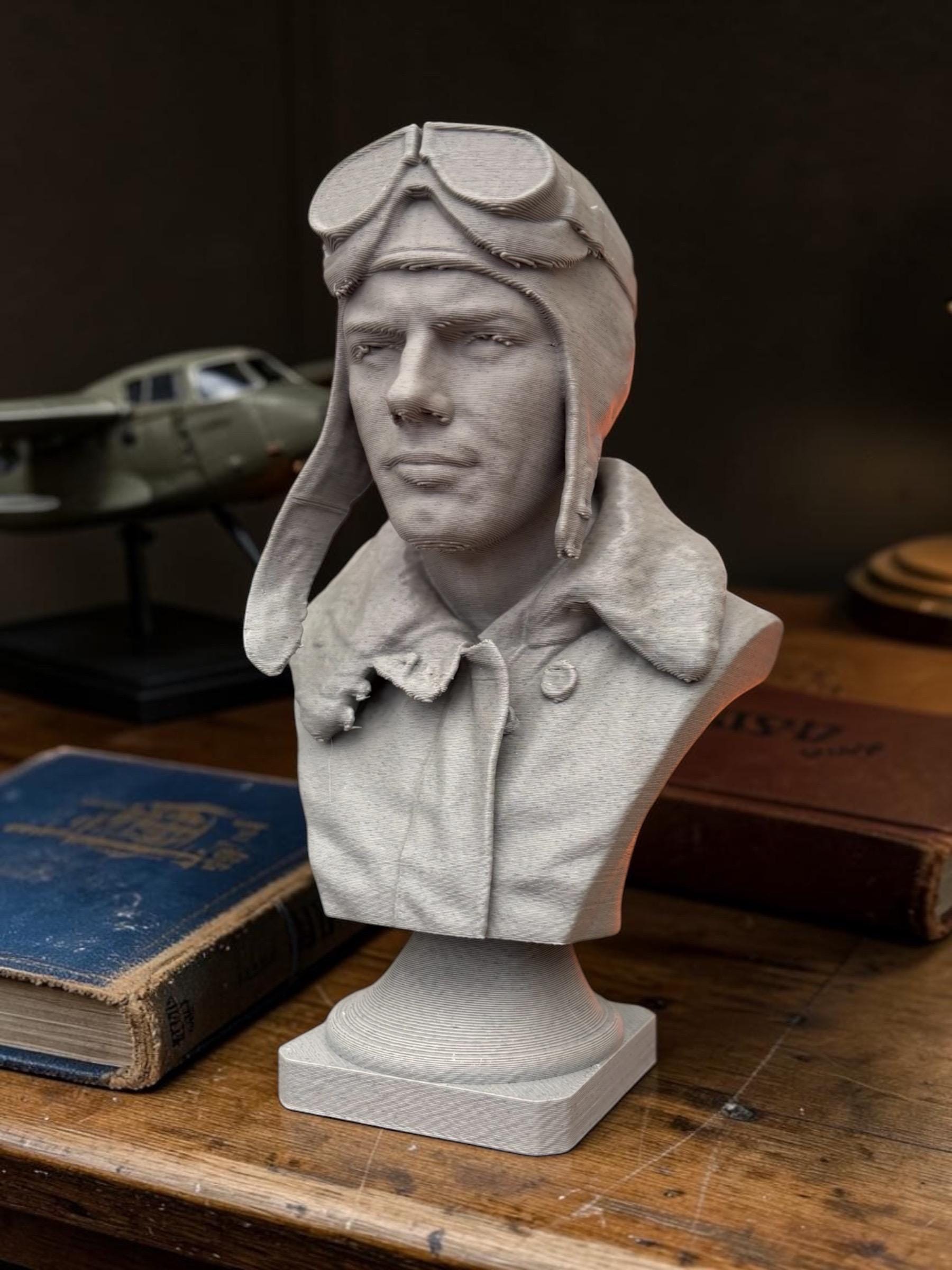
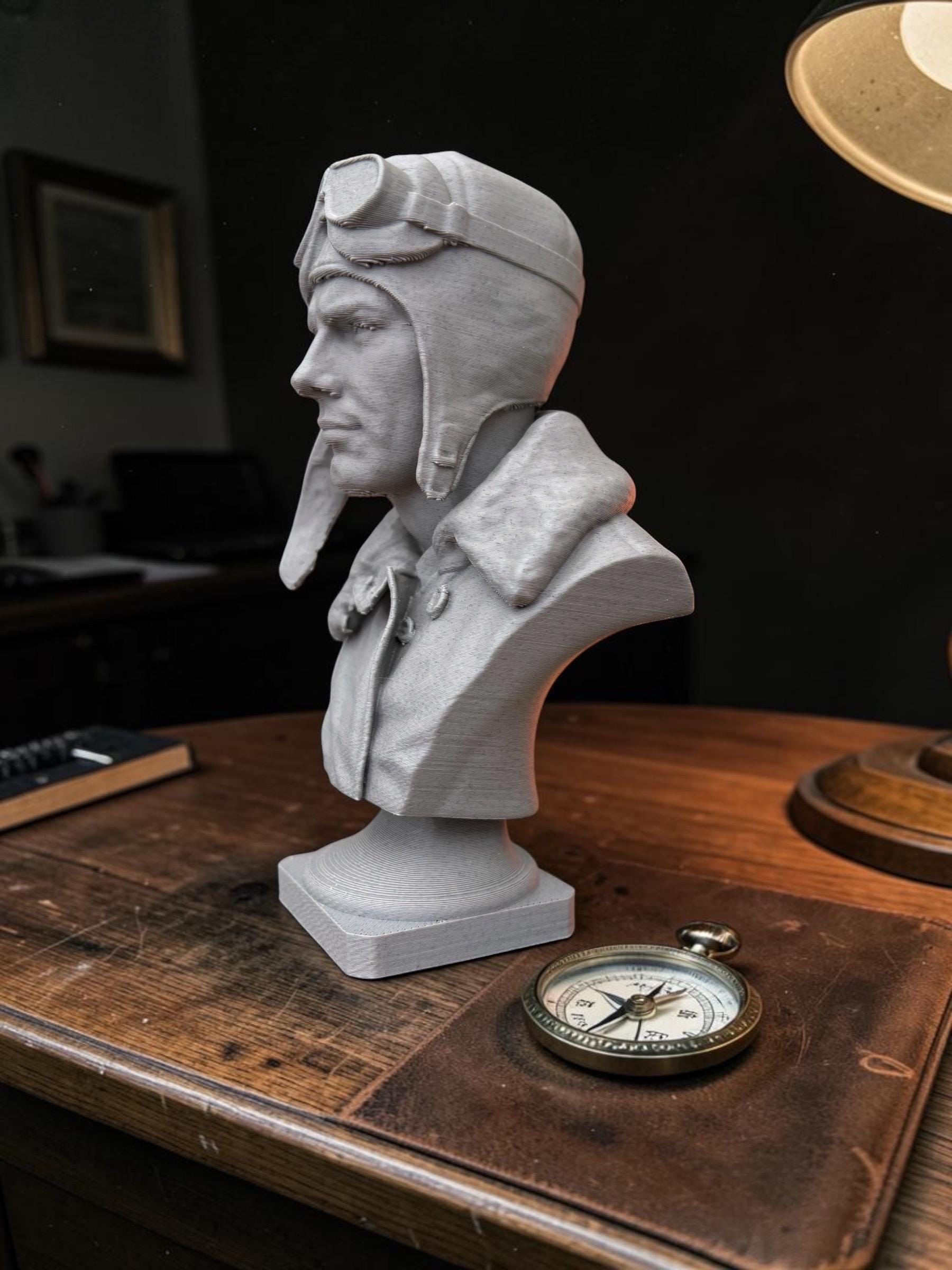
Charles Lindberg Bust Sculpture, Home Office Decor Desk Accessories Office Decor Birthday Gift famous pose
$22.31+ $34.33+
-
DetailsCHARLES LINDBERG BUST AVIATION
Charles Lindbergh became an international hero in 1927 by completing the first solo, nonstop transatlantic flight. His life was defined by this historic aviation milestone, but it was also marred by an infamous tragedy, intense media scrutiny, and a deeply controversial political legacy.
The Transatlantic FlightBefore becoming a global icon, Lindbergh was an airmail pilot and barnstormer. In 1919, hotelier Raymond Orteig offered a $25,000 prize for the first pilot to fly nonstop between New York and Paris. On May 20, 1927, Lindbergh took off from Roosevelt Field in Long Island, New York, flying a custom-built, single-engine monoplane named the Spirit of St. Louis.
He flew alone for over 33 hours, battling extreme fatigue, ice, and isolation.
When he touched down at Le Bourget Airport in Paris on May 21, he was greeted by an ecstatic crowd of 150,000 people. Overnight, he transformed into "Lucky Lindy," earning the Medal of Honor and worldwide fame.The "Crime of the Century"In 1929, Lindbergh married Anne Morrow, an author and aviator who frequently acted as his copilot and navigator.
Their lives took a devastating turn on March 1, 1932, when their 20-month-old son, Charles Jr., was kidnapped from their New Jersey home. Despite the payment of a $50,000 ransom, the toddler's body was discovered nearby.
The investigation led to the arrest of Bruno Richard Hauptmann, who was convicted and executed in 1936. The intense and often invasive media coverage during the ordeal prompted the Lindberghs to move to Europe to seek privacy.World War II and Controversy During their time in Europe in the late 1930s, Lindbergh toured German aviation facilities and was decorated by the Nazi government. Upon returning to the U.S., he became a prominent and vocal leader of the America First Committee, vigorously campaigning to keep America out of the war.
His speeches, which sometimes included anti-Semitic sentiments, severely damaged his public standing and led President Franklin D. Roosevelt to publicly question his loyalty. However, after the bombing of Pearl Harbor, Lindbergh supported the war effort, flying about 50 combat missions in the Pacific as a civilian consultant and pilot.Later Life and LegacyAfter World War II, Lindbergh lived a quieter life, serving as an aviation consultant. In his later years, he became a passionate advocate for environmental conservation, working to protect endangered species and native cultures.
He died in Hawaii on August 26, 1974, leaving behind a complex, multifaceted legacy as a pioneering aviator, tragic father, and flawed political figure.For a brief look at the preparations and behind-the-scenes decisions of Lindbergh's historic New York to Paris flight: -
Shipping & Policies
Shipping from United Kingdom
Processing time
6-10 business days
Customs and import taxes
Buyers are responsible for any customs and import taxes that may apply. I'm not responsible for delays due to customs.
Payment Options
Returns & Exchanges
Returns & exchanges accepted within 14 days
Buyers are responsible for return shipping costs. If the item is not returned in its original condition, the buyer is responsible for any loss in value.
Frequently Asked Questions
Sizing details
For precise sizing information, please scroll down to the 'Description' part of the listing. All the size details you need will be clearly listed there for each individual product.
Related Products